Pets on the Green
Pets on the Green
Pets on the Green
60+ amazing animals — each with a name, a personality, and a story. Scroll through to meet them all.
Say hello to the Pets on the Green family. We care for over 20 species — from cheeky sugar gliders to a giant Aldabra tortoise — and each one is hand-reared, health-checked, and chosen because it loves meeting people. Here's who might come along to your party, session, or visit.
The exact animals at your event are confirmed beforehand, as some can only attend certain settings, and space and weather affect who can safely come.
Swipe to see more →

Rosie is Ciera's baby — she sleeps in her own room so she's never on her own and spends every minute of every day with her (even showering at the same time!). She's super intelligent and an absolute showstopper with her striking pink and white colours.
Swipe to see more →
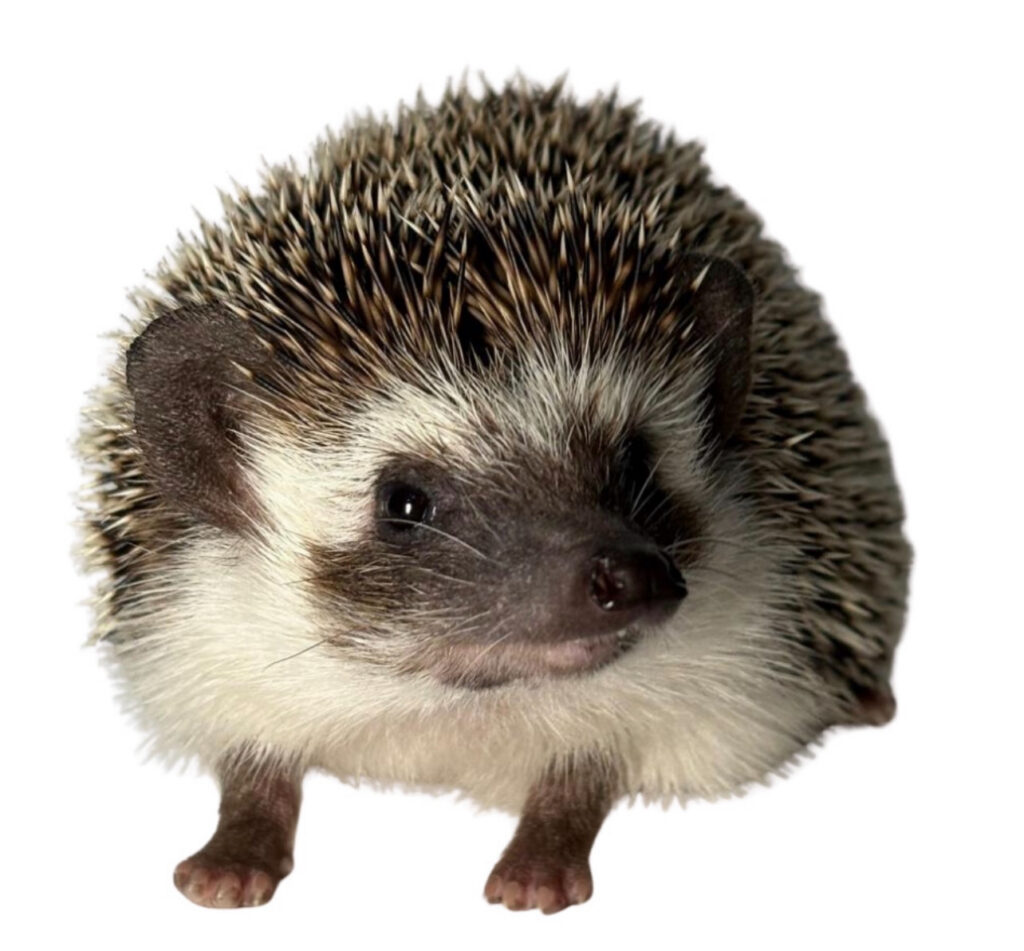
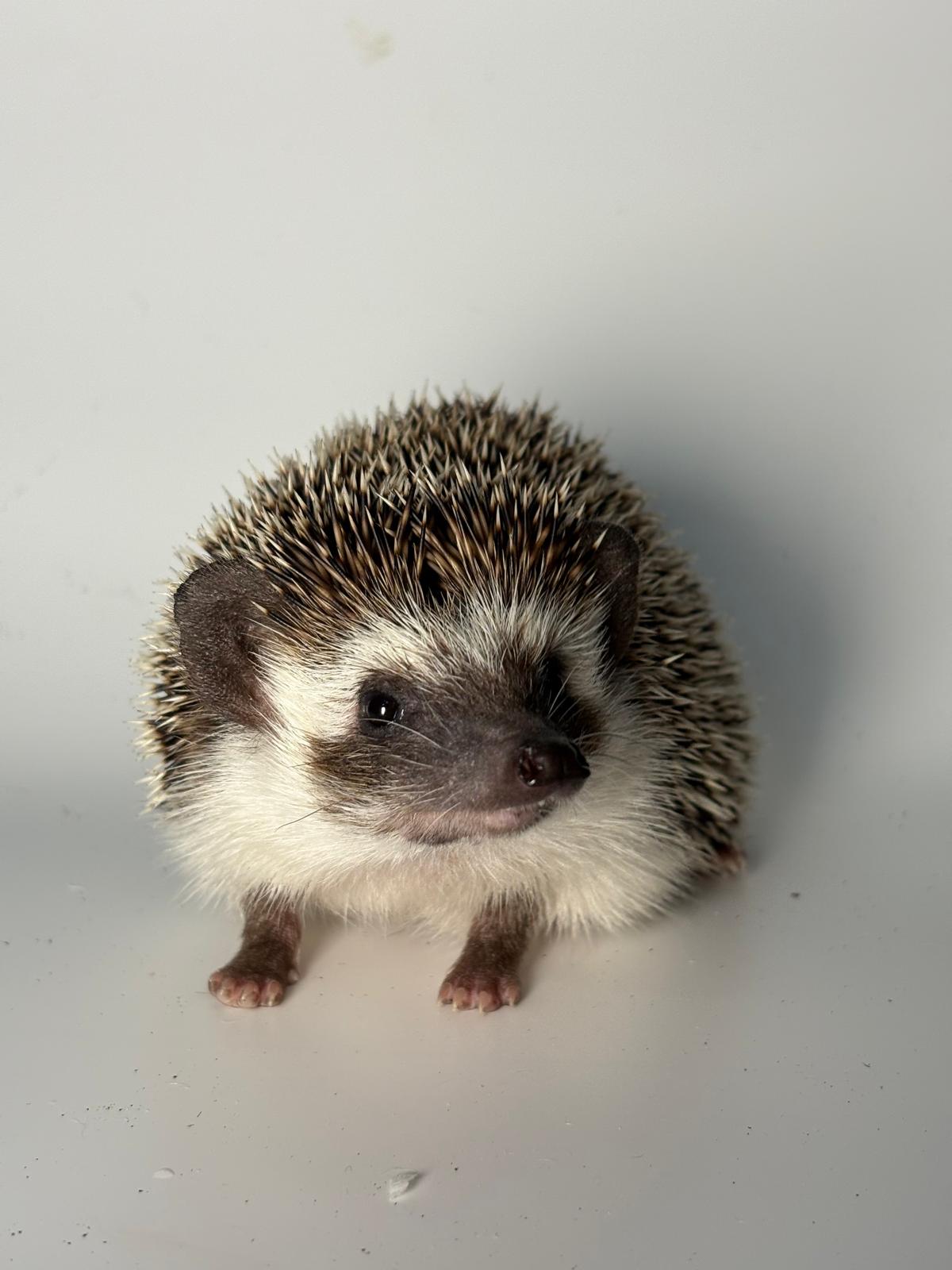
Our hedgehogs each have their own unique personalities. During encounters you can learn about their behaviours, adaptations, and how they use their amazing sense of smell to explore the world. We'll pick the best hedgehogs to come out for your mobile session or home-base encounter.
Born right here — tiny, pink, and impossibly cute. Hoglets are occasionally available to loving homes from our registered ethical breeding programme.
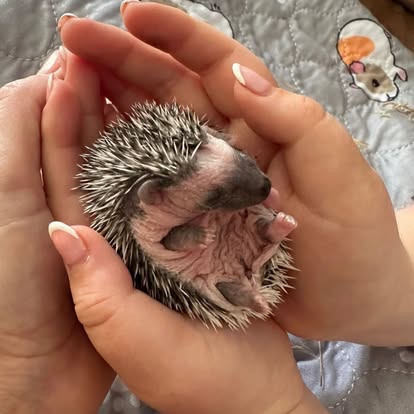
This is how tiny they start — small enough to fit in the palm of your hand. They grow fast and develop their spines within the first few weeks.
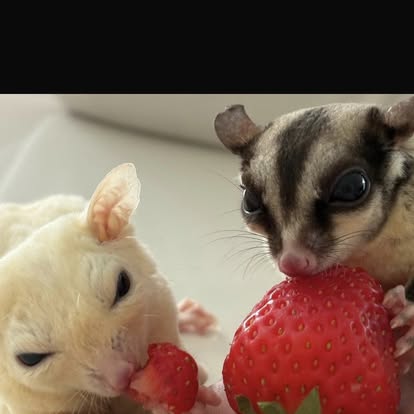
Tiny marsupials with a gliding membrane that lets them soar. Very social and curious — absolutely adored by visitors.
Our sugar glider joeys are hand-raised from birth, making them incredibly tame and sociable. Watch them explore, climb and glide as they grow — they're absolutely captivating to see up close.
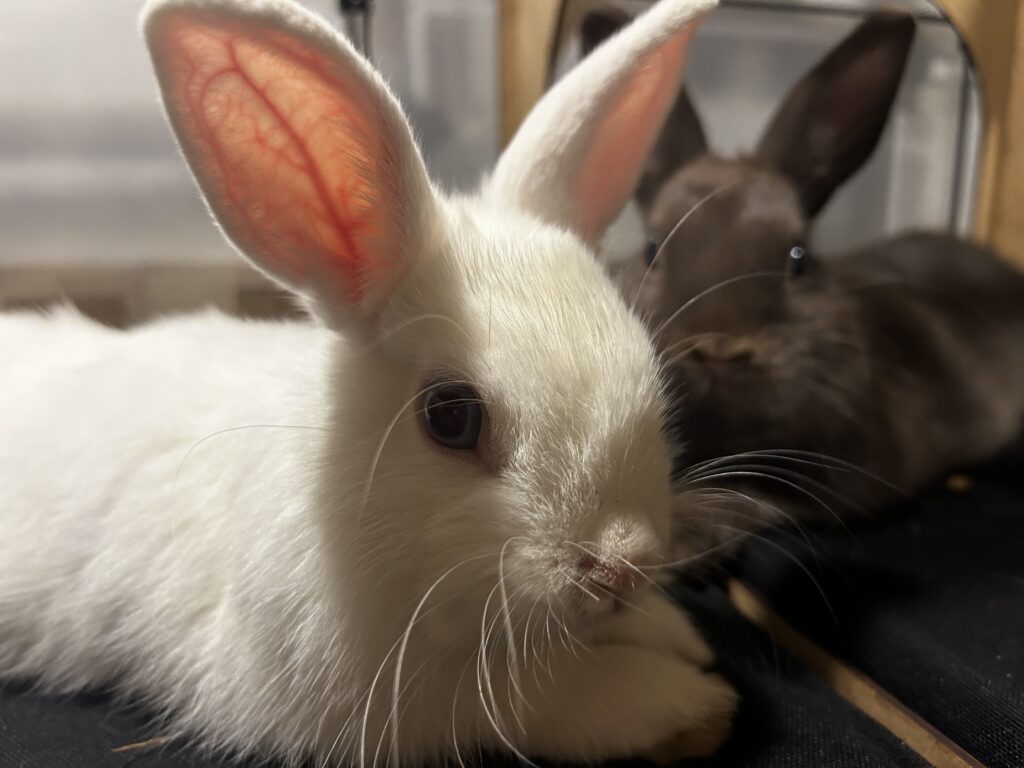
Bert has a brown coat and hazel eyes and is the braver of the two — usually first to investigate new visitors. He loves his food, though only from people he trusts (unless it's a bunny biscuit — he'd take that from a fox!). Ernie has a white coat and blue eyes and is a little shyer with new faces and smells, which is only natural for a prey animal.
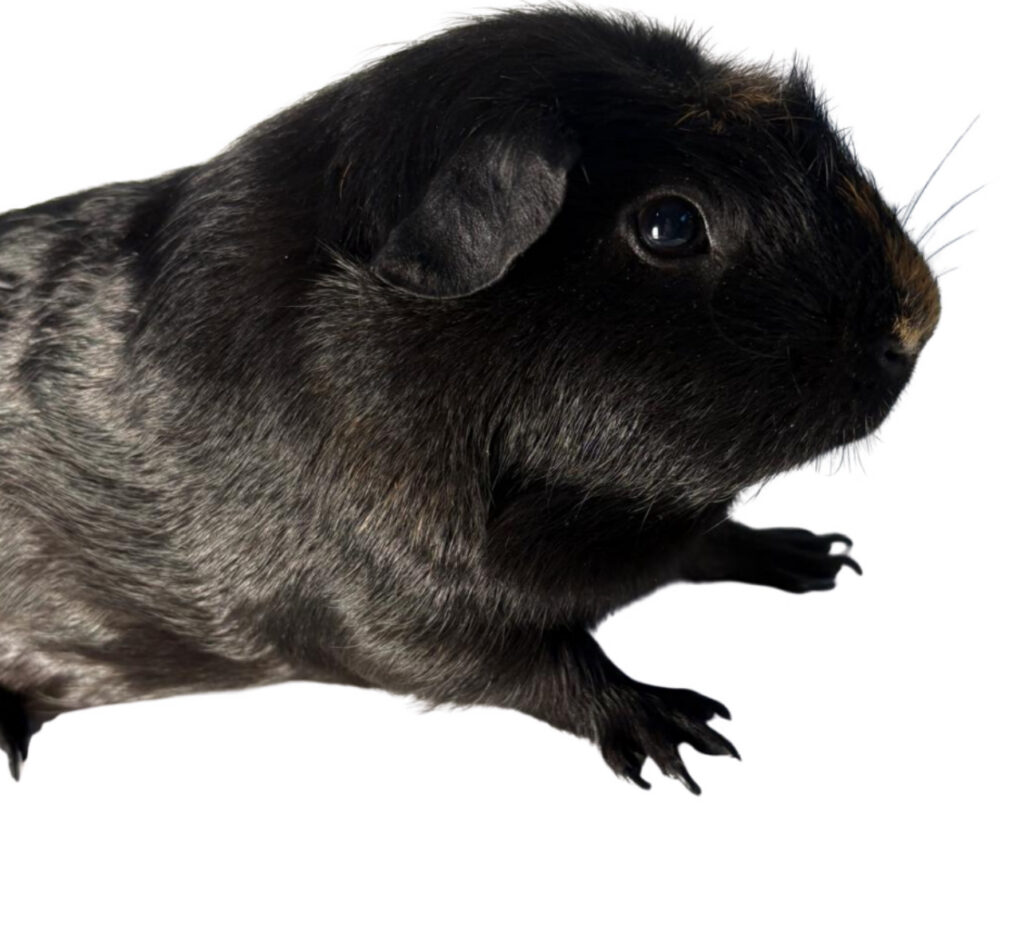
Preston is calm and loving with people — but, unusually for such a social species, he doesn't get on with other guinea pigs. We thought he had a fur problem when he lived with the skinny pigs… turns out he just likes living alone!

Frankie is a charming gentleman with gorgeous black skin and black hair on his nose and toes — super friendly, he'll cuddle right into you. Teddy is a greedy little man with ginger skin and ginger fur on his nose and toes; confident as anything, he'll eat straight from your hands.

Pepper and Salt are sisters — curious, active little mice who are fascinating to watch as they explore and forage. They're very friendly and surprisingly clever (they know not to walk off the edge of your hands). Pepper is black and white; Salt is white and cream.
Swipe to see more →

Marvin is one of the largest tortoise species on Earth and a true showstopper. These gentle giants can live over 200 years, so at just a couple of years old Marvin's only getting started. Absolutely obsessed with strawberries.
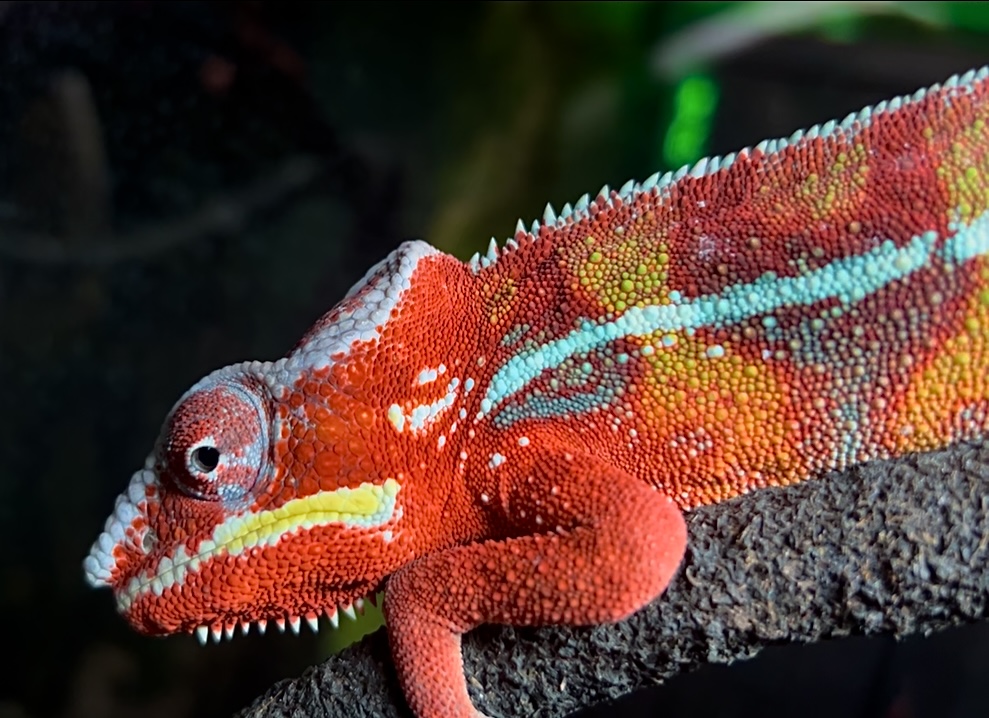
One of our three male panther chameleons. Elvis is an Ambilobe — his main colour is a vivid red, shot through with greens, blues, whites and yellows. Chameleons change colour with their mood, and watching it happen right in front of you is endlessly mesmerising.
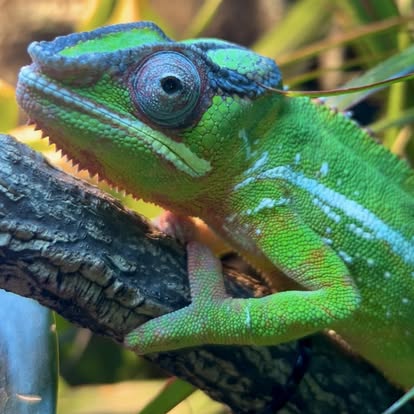
Reggie is a Nosy Mitsio — his main colour is a brilliant green, with yellows, reds, whites and blues running through. Bold and confident, he's always the first to investigate anything new.
 New 2026
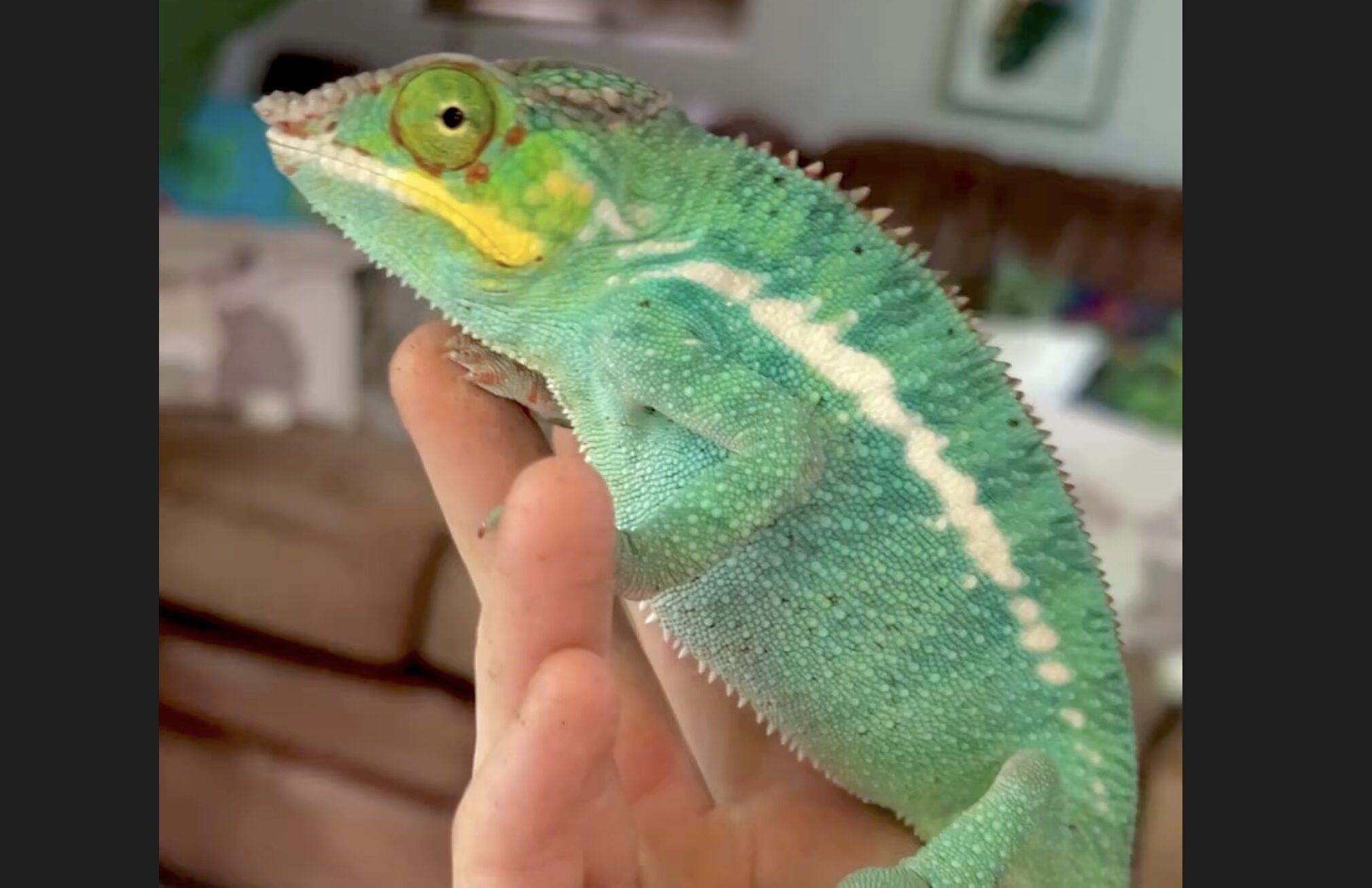
Thunder is a Nosy Be — his main colour is a striking blue, with reds, greens, yellows and whites running through. A real showstopper and the newest of our three chameleon boys.

Ronnie is an orange zero iguana — a morph of the green iguana, so he's actually orange rather than green (we know, confusing!). He's still young and quite skittish, and will tail-whip when nervous, so Ronnie is a watch-only animal — only Ciera handles him, and his comfort always comes first.

Betty is a calm, friendly dragon who loves a cuddle on your chest. She's a fantastic ambassador for introducing nervous visitors to the world of reptiles.

The world's largest gecko — Olive can growl, bark and grunt like a tiny dinosaur, and her skin feels like velvet. She comes out for encounters at our home base.
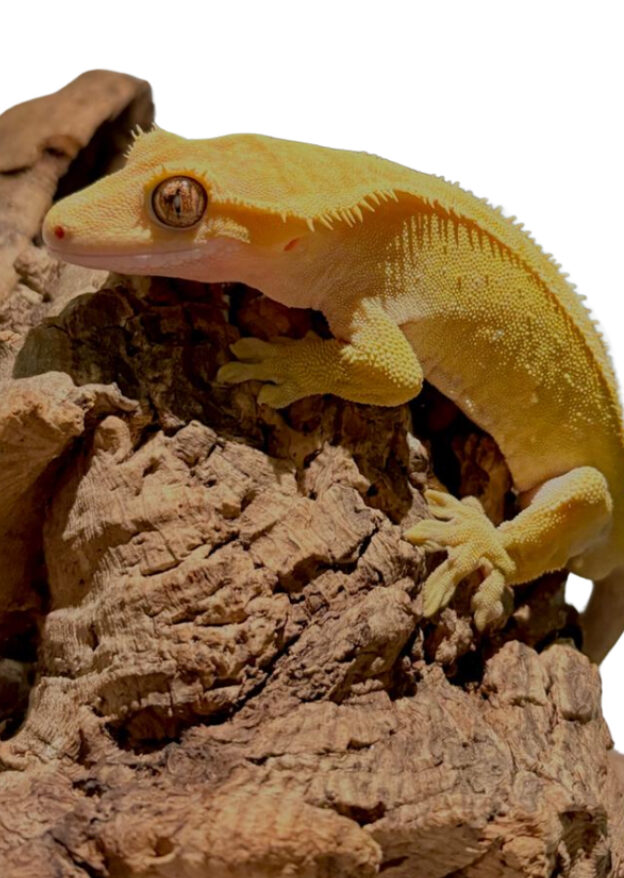
The perfect first reptile to handle — calm, beautifully patterned, and they wag their tails when excited. All four come out for mobile sessions and home-base encounters.
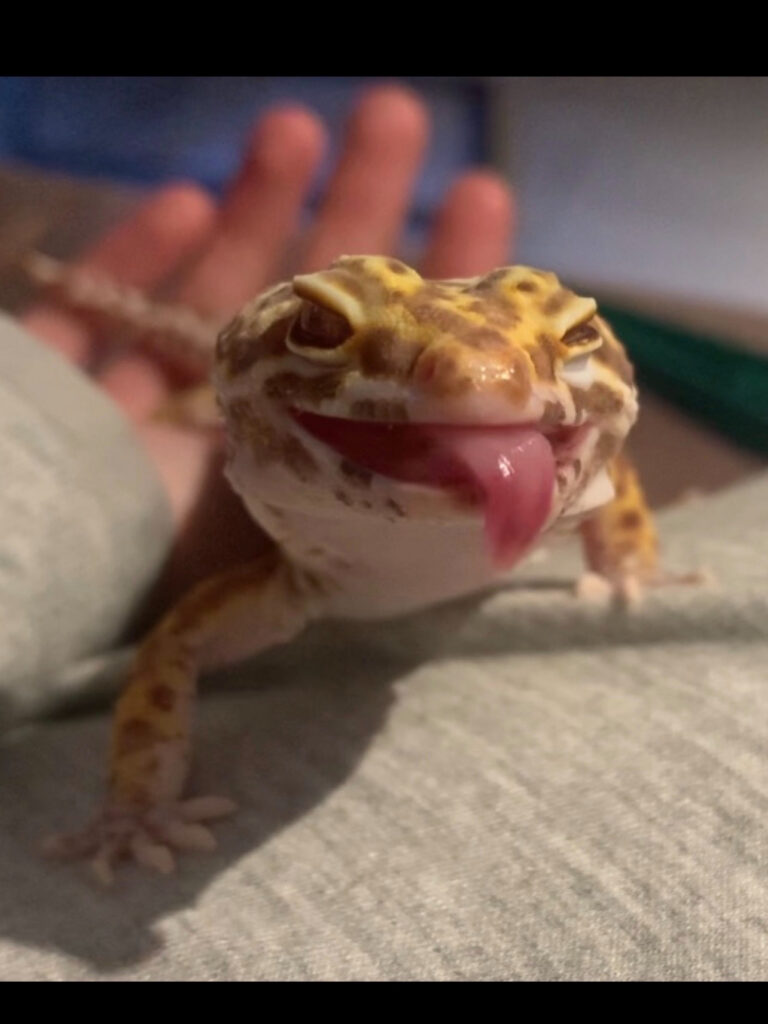
Arboreal geckos with eyelash-like crests that can jump, climb glass and stick to almost any surface. Brian is happy to come out to sessions; Carole and Noelle are a little too quick to be safely handled by the public, but they're lovely to watch.
 New 2026
Custard is our heavyweight royal python — a striking yellow-and-white albino weighing in at over 2.2kg. Gentle and slow-moving, like all ball pythons he loves to curl up in a ball.
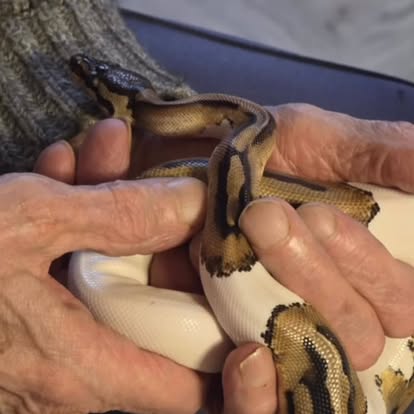
Eileen is a royal python with a beautiful piebald pattern of brown, orange patches and white — far daintier than Custard at around 394g. Calm, docile and incredibly smooth to the touch. The "royal" name comes from African royalty: Cleopatra herself is said to have worn these snakes as jewellery.
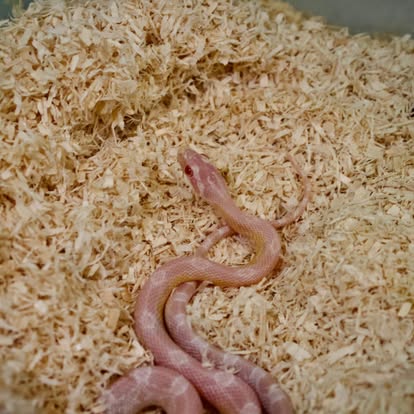
Skyla is our mack snow albino corn snake — soft pink with red eyes and still tiny (around 14g), more like a little shoelace than a snake right now! Docile, beautifully patterned and great for nervous first-time handlers.
 New 2026
Bruno is a growing boy with a lot of growing still to do — just 37g at the moment, but Bosc monitors get big! Don't let the "monitor lizard" label fool you: he's super friendly, brilliant fun to feed, and already loves showing off that amazing tongue as he explores the world.

Fiona is our large blue-tongued skink — and yes, that famous bright blue tongue is exactly as brilliant as it sounds. A calm, confident character and always a firm favourite.

Chase and Shannon are our Mississippi map turtles, named for the map-like patterns across their shells. Timothy is our diamondback terrapin — a striking, diamond-patterned one-of-a-kind. Shannon lives separately and enjoys a quieter life behind the scenes, so Chase and Timothy are the ones who come out to events.
Swipe to see more →
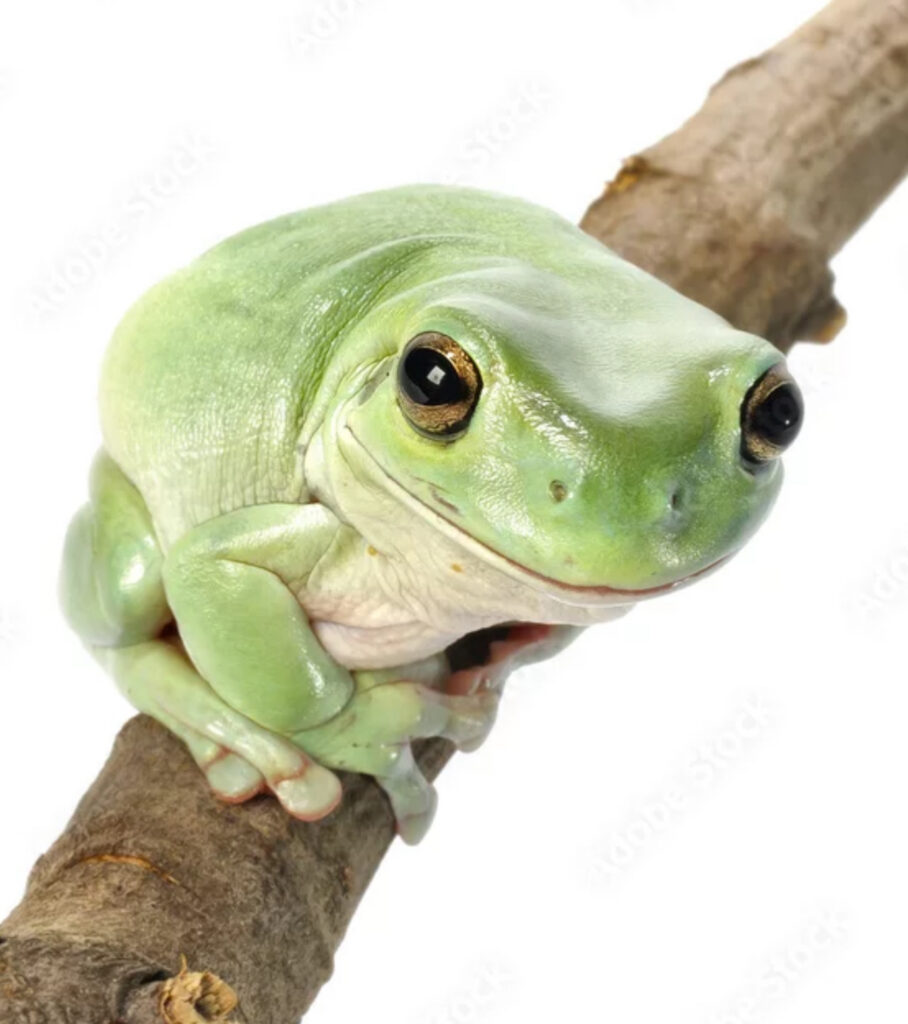
Emmie and Freddo are chunky, sleepy-eyed charmers with a permanent little smile. Famously laid-back, they're often happiest lounging about looking thoroughly pleased with themselves — and they're one of the most handleable amphibians around.

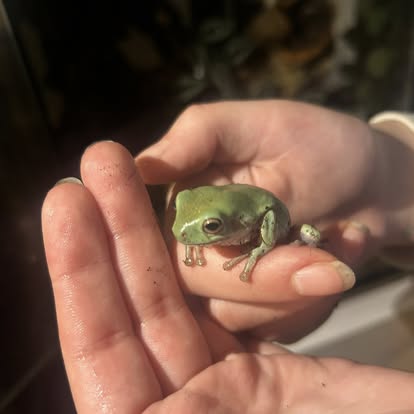
Kermit is a big, bold character and one of the largest frog species around. He'll sit completely still, then strike with lightning speed at feeding time.
Swipe to see more →
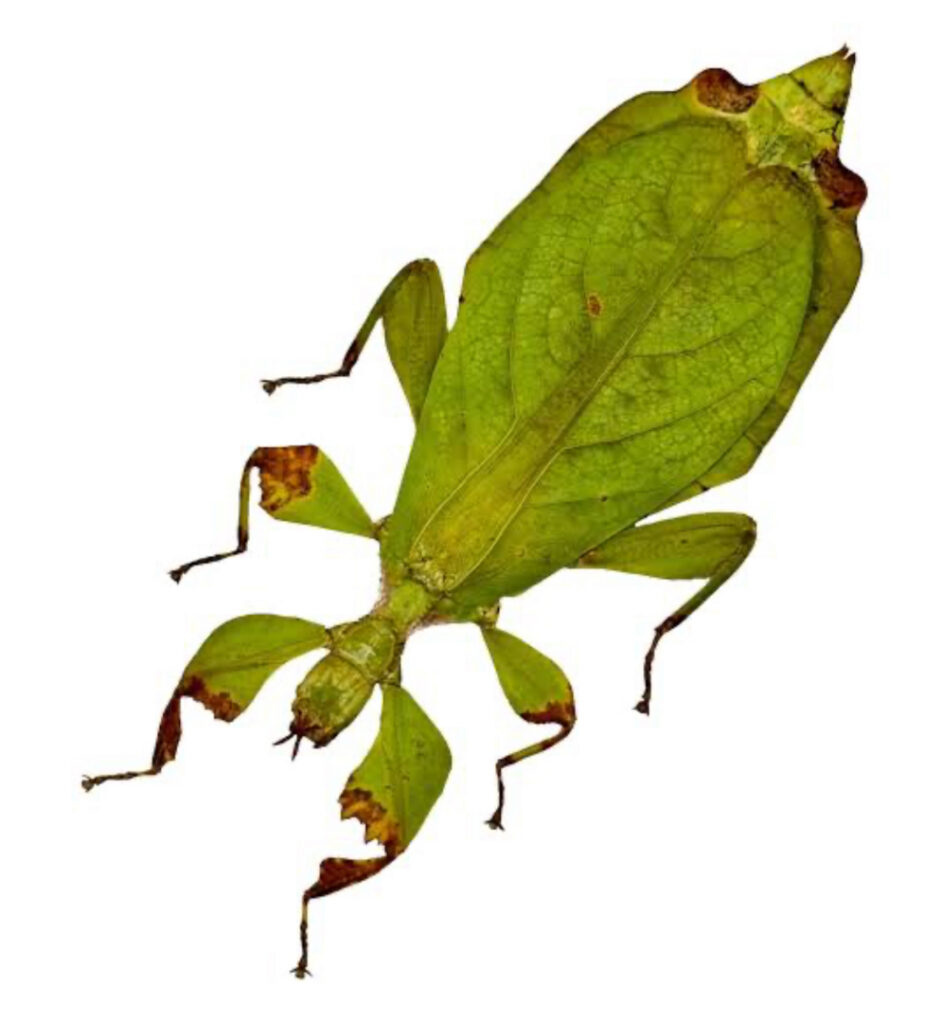
Masters of disguise — these incredible insects look exactly like leaves, right down to the veins and nibbled edges. Spotting them is half the fun, and they're brilliant for getting children interested in the natural world.
 New 2026
Slow, gentle and weirdly ticklish to hold, with hundreds of tiny legs rippling along as they move. A lovely, calm first encounter for anyone feeling a bit nervous.

Big, curious and surprisingly characterful, these gentle giants are a firm favourite for little hands — and a brilliant lesson in taking things slow. They love cucumber and are completely safe for all ages.
Swipe to see more →

Tucked away at our home base, our tropical tank is a little pocket of calm — colourful tropical fish and tiny cherry shrimp drifting by. It's a peaceful, no-pressure introduction to the underwater world for younger or quieter visitors.
Private sessions, birthday parties, after school club and we come to you — book your experience today.
By appointment only — book online