Behaviour
Behaviour
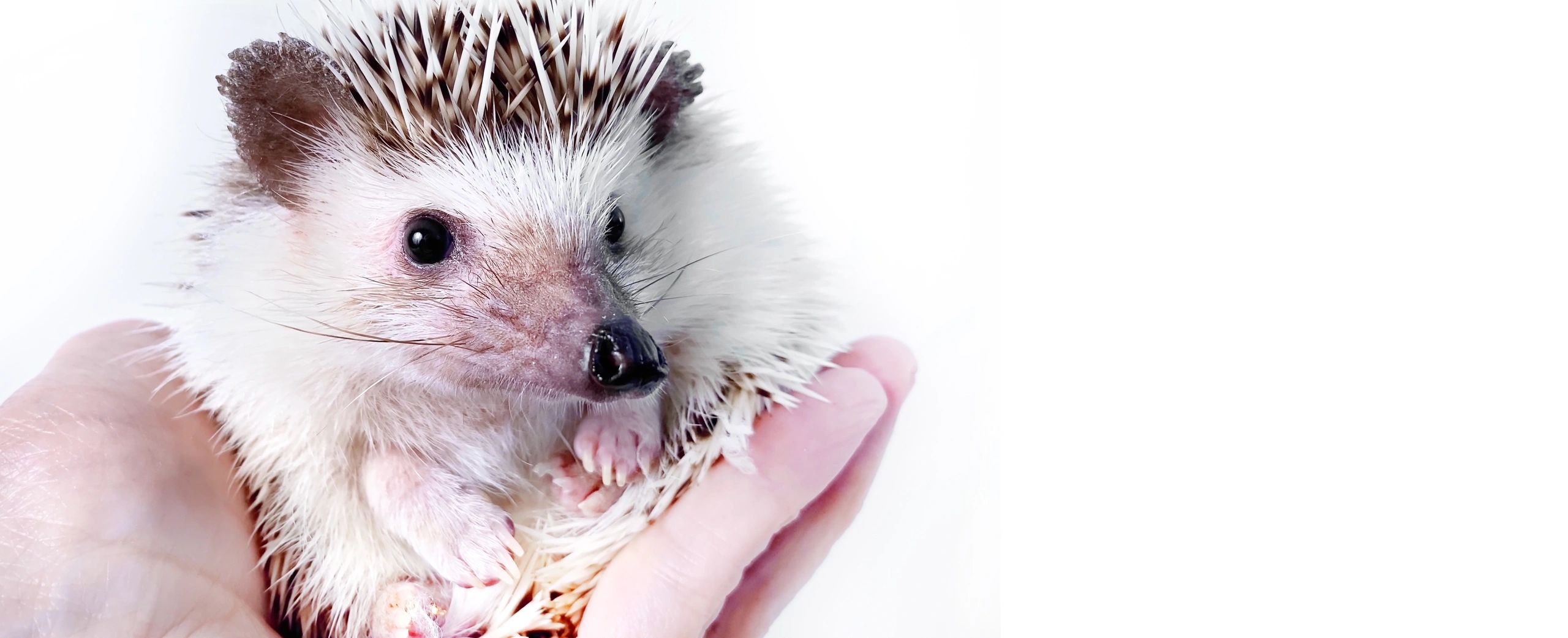
African Pygmy Hedgehog behaviour includes nocturnal activity, curiosity, occasional quilling, and the use of curling into a ball as a defence mechanism, reflecting their natural instincts and need for a secure environment
African Pygmy Hedgehogs (APH) are naturally nocturnal animals, meaning they are most active at night and should be left undisturbed during daylight hours to avoid stress or agitation.
🦔 Behavioural Signals
Hedgehogs communicate a surprising amount through body language and sounds:
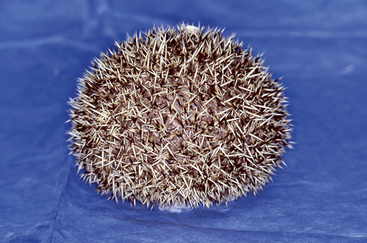
- Balling up: A defensive response when frightened or uncomfortable.
- Spine raising: Usually accompanied by huffing; a sign of agitation or distress.
- Huffing, popping, sniffling: Common warning signs indicating the hedgehog feels threatened.
- Purring: A soft, rhythmic sound made by some content hedgehogs, similar to a cat’s purr.
- Exploratory behaviour: While some hedgehogs enjoy sitting quietly, others will actively explore their surroundings when comfortable.
🔄 Quilling Stages
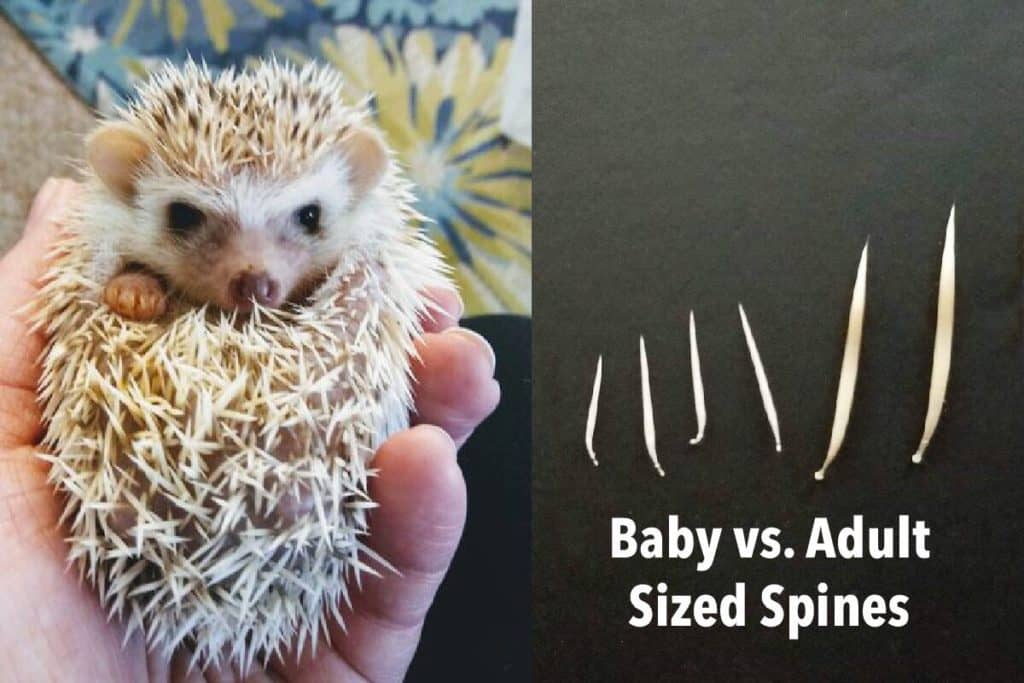
Quilling is a natural part of development where baby hedgehogs shed old quills and grow new ones:
- 4 weeks: First baby quilling begins.
- 6 weeks: Secondary baby quill replacement.
- 9 weeks: Key developmental phase where adult coloration emerges, allowing for proper colour identification.
- 12 weeks: Final quilling phase as juveniles transition toward adult coats.
During quilling, hedgehogs may be more irritable due to discomfort.
🧴 Self-Anointing Behaviour
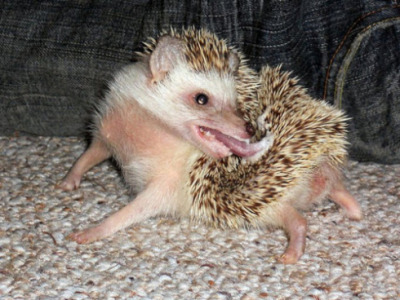
Hedgehogs engage in a unique ritual called self-anointing when they encounter a new taste or strong smell:
- They create frothy saliva, then contort their bodies to lick it onto their spines.
- While this may appear unusual, it is normal and believed to be instinctual.
⚠️ Signs of Distress or Illness
Monitor your hedgehog closely for the following abnormal behaviours or symptoms:
- Loss of appetite
- Lethargy or excessive sleep
- Limping or uncoordinated movement
- Weakness or shaking
- Retching or signs of nausea
Additionally, when scared, a hedgehog will raise its spines and contract its panniculus muscle—a specialized muscle that pulls the loose spiny skin tightly around the body to form a protective ball.

Get in touch
Find us
4 Redvers Road
Warlingham, Surrey
CR6 9HN
Opening hours
By appointment only — book online
